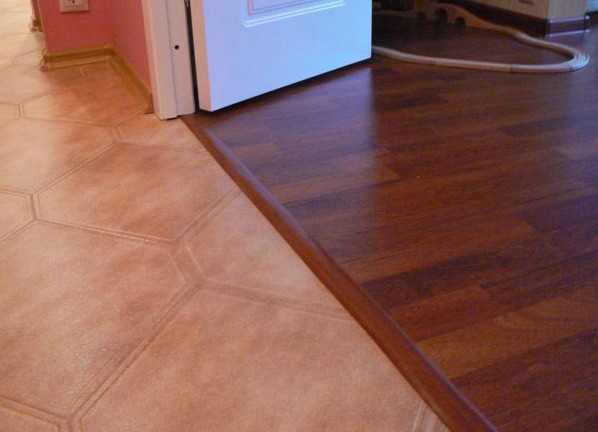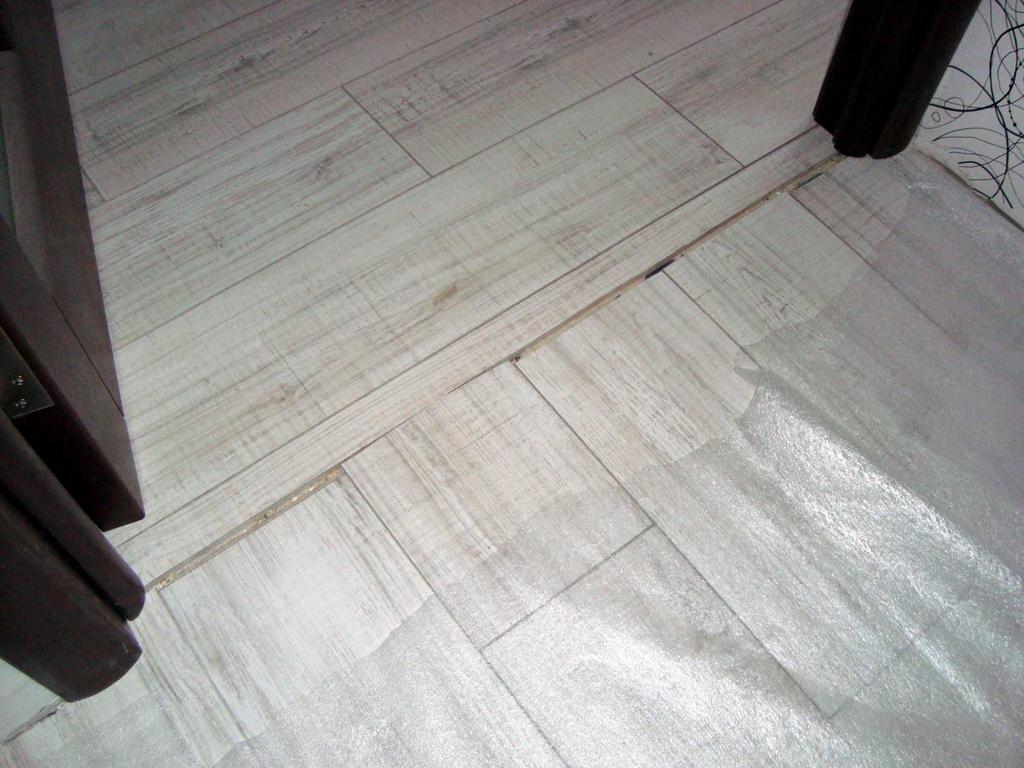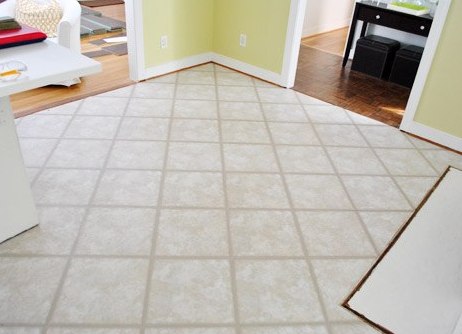
Laying the thresholds for laminate - the final stage of finishing the floor of the room. They help close the irregularities that occurred during the installation of the coating, connect several dissimilar materials, indicate the boundaries of the room or functional area.
Types of door for laminate
It is possible to distinguish several different types of thresholds for laminate, depending on the material from which they are produced, the forms and methods of attachment.
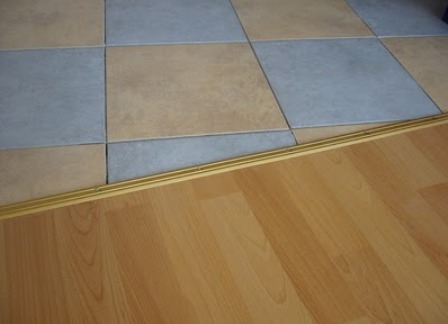
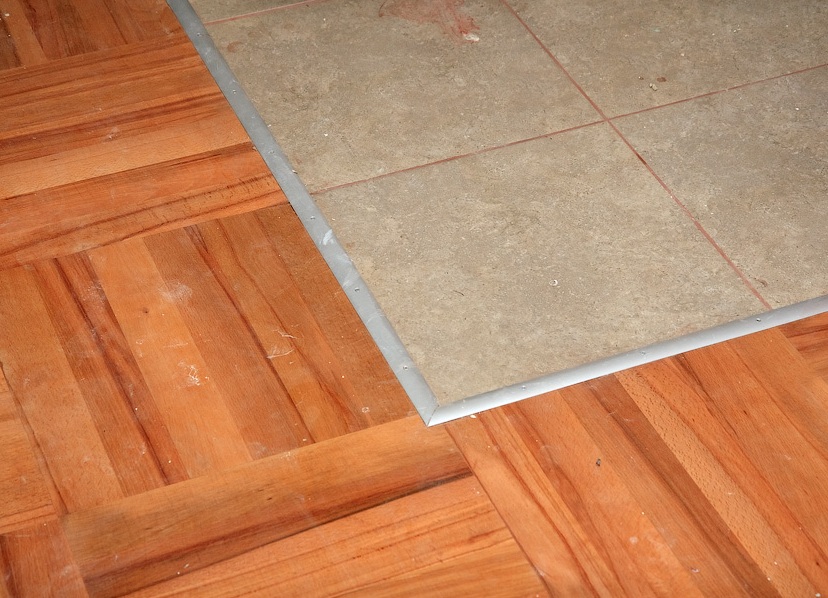
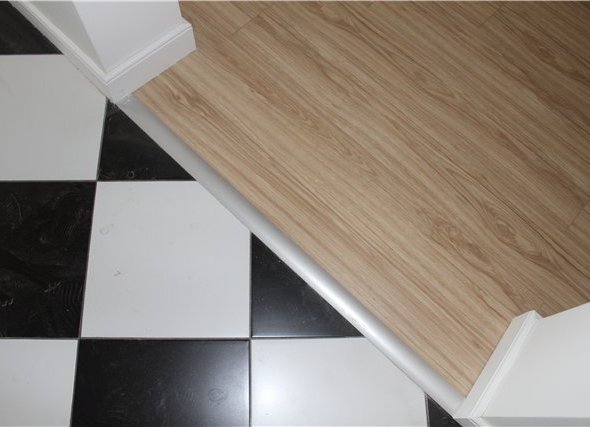
Porches do not need to be between two rooms, arranged at different levels, it can limit the area lined with a laminate from the floor, finished with another material: tile, linoleum , carpet. In this case, direct pins are used, while for the finishing of the steps, different layered padding for the laminate is selected. Also, the angular and trailing thresholds for the laminate are distinguished.
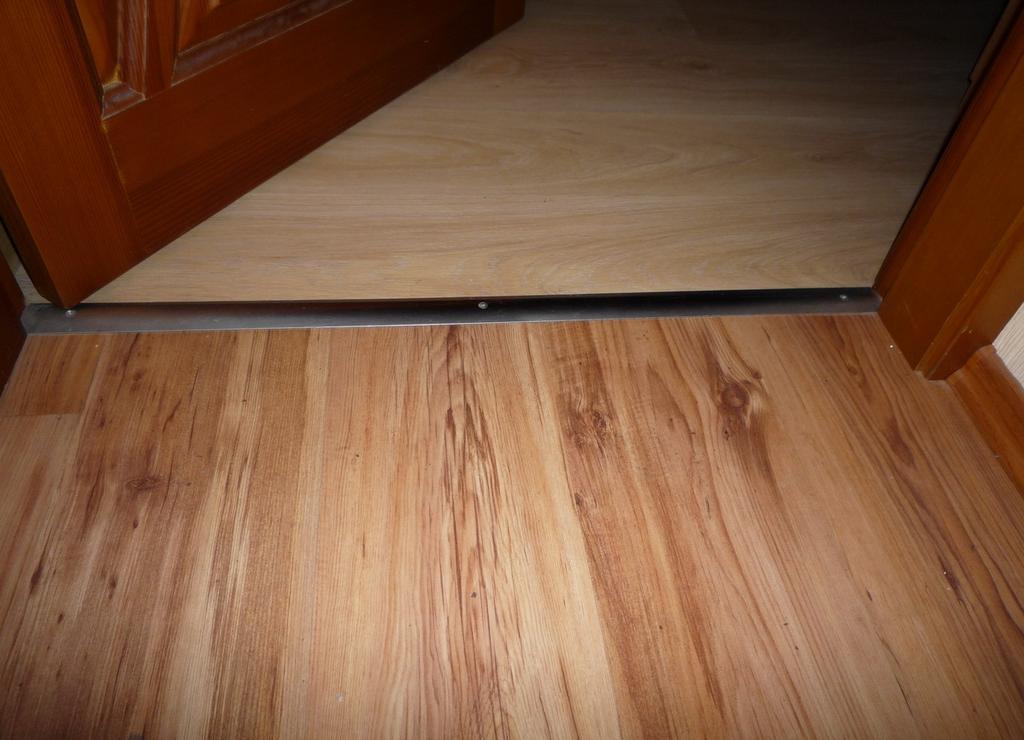
Depending on the material from which the threshold is made, there are: wooden, metal, plastic and MDF pads. Metal thresholds can be called the most durable, they are used in those places where the joint can have a heavy load or it will be exposed to moisture, for example, metal sills can be used between the tile in the kitchen and the laminate in the living room. Wooden paddles have the most presentable and expensive appearance. They are eco-friendly, long-serving, however, this decoration is quite expensive and requires periodic repairs: the wood needs to be sanded and covered with a new layer of varnish. Plastic thresholds are the most budgetary of the options presented. But, if you decide to save, do not expect that the plastic will serve you for a long time. A good substitute for a tree can be the cork pegs. This light and natural material is well mounted, perfectly tolerates the impact of dirt and moisture, and, thanks to natural flexibility, can withstand heavy loads without changing the original appearance. Often, together with the laminate, the MDF paddles are used in accordance with the color and style. This material is quite cheap, but highly prone to moisture, so it is not too durable.
Installation of laminate flooring
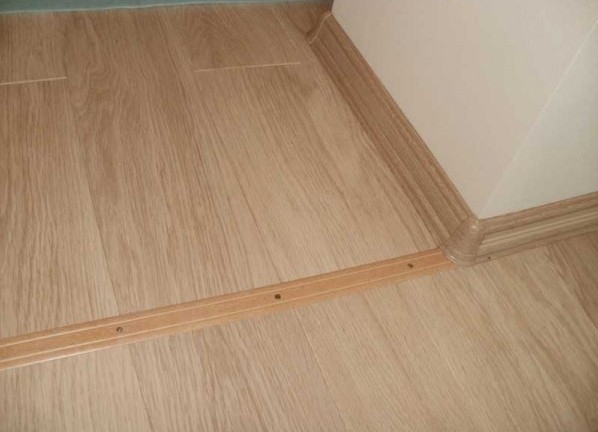
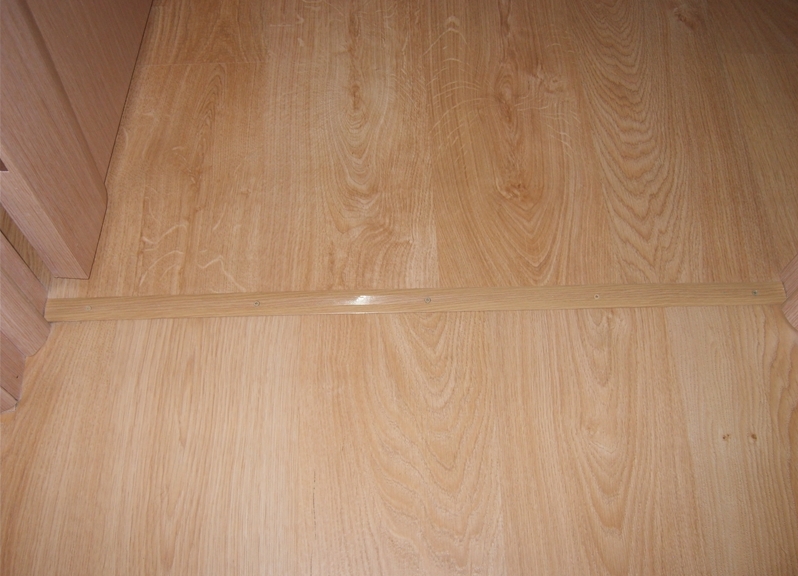
There are three main types of fixing the door. The first is an open mechanical installation, which is done with screws. In the profile of such shackles, there are already special holes in the purchase, or they can be done by yourself. With this installation, the first trim is cut to the required length (usually it is limited by skirting on both sides of the room or the doorway; when cutting, it is desirable to adjust the size of the door so that it fits snugly against the skirting boards). After that, with the help of self-tapping screws, the door is attached to the floor. The fixing step should usually be 30-50 cm.
Hidden fastening or concealed installation is performed with the use of special adhesives that reliably fix the nails in place. This fastening looks much more aesthetic than the mechanical one, as there are no holes and no screws on the surface of the skirting. For gluing, "liquid nails", concentrated PVA glue and other agents can be used. This installation is somewhat more complicated than the open one, since for complex configurations of the flaps, for example, in the presence of bends, an assistant is required that will stick the threshold along with you along the entire length.
The mixed method of installation is used quite rarely and most often for fixing plastic pads for laminate. With this fastening, one straight profile eliminates both straight parts and floor parts that have bends. Then on the straight sections, a mechanical fastening is used, and the radial ones are removed with the help of glue.
| | | |
| | | |
| | | |