It turns out that it is not enough to buy linoleum and just lay it on the floor. Among professionals and amateurs there are arguments about whether or not a linoleum substrate is needed on the concrete floor. Moreover, there are many kinds of them. If you have not yet encountered this issue, we will try to provide the maximally detailed description of each species and give advice on choice.
What are the linoleum substrates for the concrete floor?
First of all, you need to understand that the substrate is some sort of insulation material that is placed on the floor base before the beginning of laying the linoleum directly. It serves to exclude its contact with the concrete floor, leveling the unevenness of the floor, additional sound insulation and thermal insulation.
Now let's move on to the kinds of substrates. So, they are jute, cork, linen and foamed. Briefly describe their properties, advantages and disadvantages can be as follows:
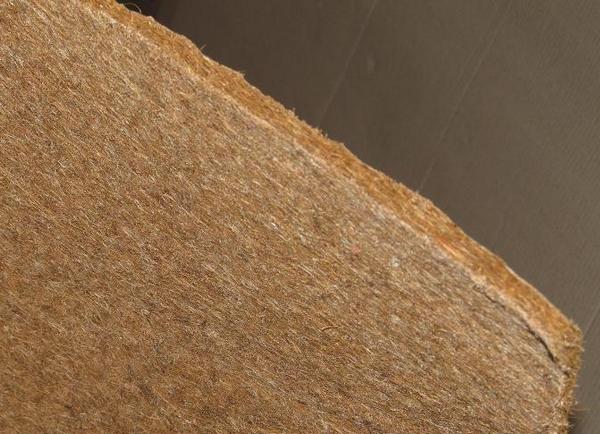
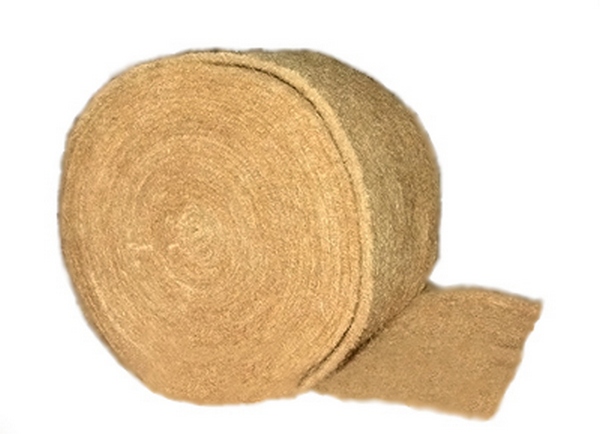
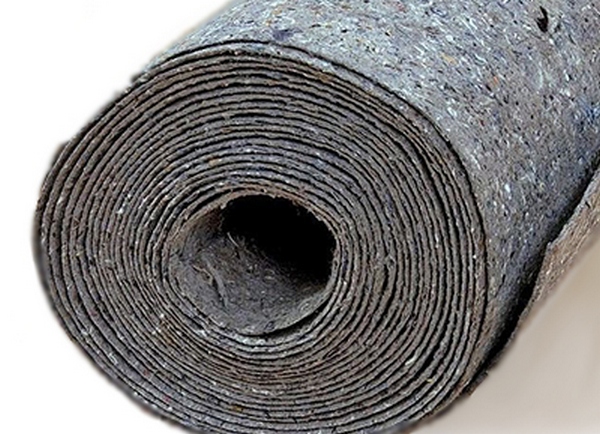
- Jute under the linoleum on the concrete floor consists of fibers of natural, vegetable origin. In its composition, there is also a fire retardant, which prevents the processes of rotting and burning. Such a substrate can absorb and then remove moisture, while not wetting itself.
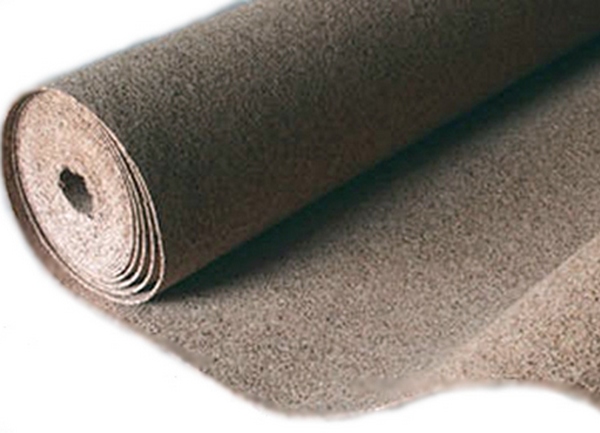
- Cork linoleum under linoleum consists of a crushed bark of a tree. In the process of its manufacture, no synthetic substances are used. In this case, it has all the necessary sound and heat insulation properties. However, there is one disadvantage of such a substrate - it is not sufficiently rigid, so that under the weight of furniture it bends and thus leads to deformation of the linoleum.
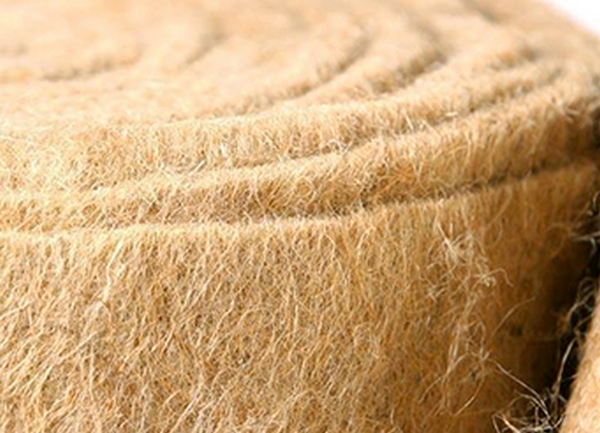
- Linen linoleum under linoleum - prevents the appearance of fungus and mold, as it does not interfere with the air circulation between the linoleum and the floor. When making a substrate, flax is used, that is, the product is completely natural. True, it is still treated with flame retardants to resist decay and prevent it from starting up in it with insects.
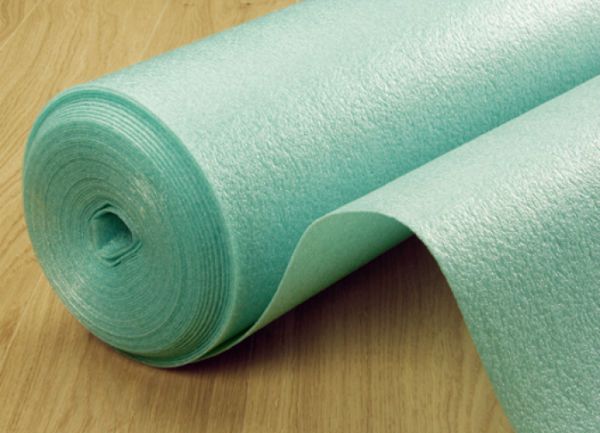
- Foamed substrate - experts have come to the conclusion that it is not suitable as a linoleum underlay. She very quickly loses its shape, bending under the weight. In addition, it does not fulfill its main purpose - heat and sound insulation.
- The combined substrate consists of jute, flax and wool in equal proportions. This option is universal if you need to keep the room dry and warm. The material has excellent abrasion resistance and thermal insulation properties.
Do we need a substrate?
Did you notice that most of the modern linoleum is already produced with a substrate as a base? That is, originally household linoleum has a fabric, jute or polyvinyl chloride substrate, that is, it is already insulated.
So why then an additional separate substrate is needed - you ask, and you will be right. It turns out that it is necessary to lay the substrate separately only in the case when a linoleum without a base is purchased. Only in this case, you will have to face a choice of the above options and give preference to the fact that it has increased strength and stiffness characteristics.
As you can see, laying linoleum on a concrete floor with a substrate is not at all necessary. It is important only to level the floor with a concrete by means of concrete screed or the so-called "floating floor". They and will become the best substrate for linoleum.
And finally I want to say that if the concrete floor is flat enough, that is, there are no differences over 1 mm, it is not necessary to cover it with plywood slabs, since this only increases the probability of deformation of the linoleum due to the absorption of the plywood and its subsequent swelling.