- Address: Plaza de Colón, Madrid.
- Site attractions of Columbus Square : http://www.empark.com/es
One of the most beautiful and also the largest square in the center of Madrid is Columbus Square. Until 1893, it bore the name of Saint Jaime, and renamed it in connection with the celebration of the 400th anniversary of the discovery of America by Columbus. The square of Columbus is at the junction of Goya, Henova streets, the Recoletos alleys (on which you can walk to Cibeles square ) and Castellano. The area seems to be the boundary between the old, historic part of Madrid, and the new areas.
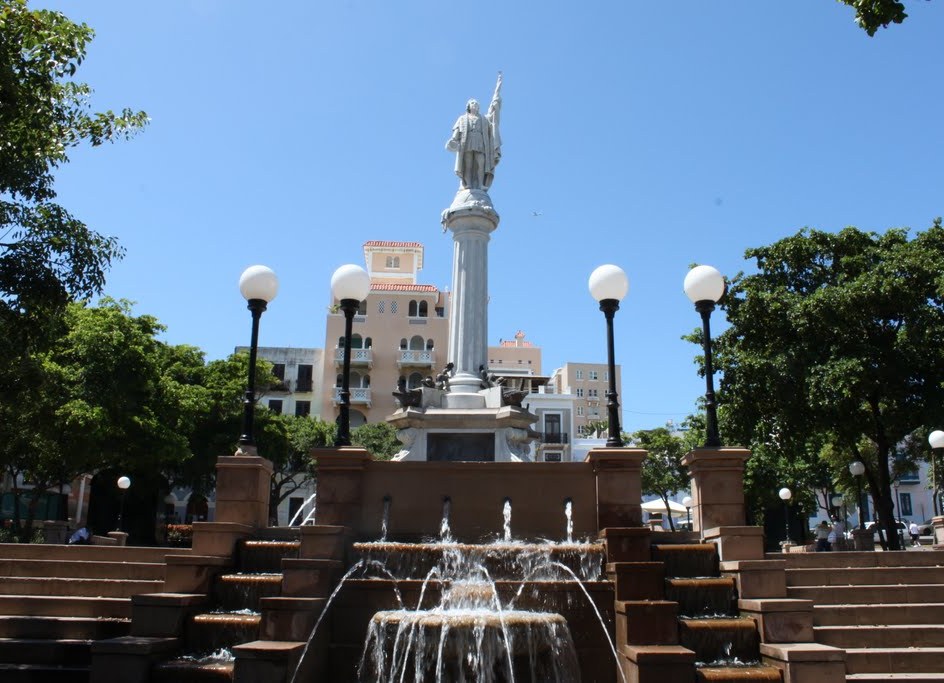
Columbus Monument
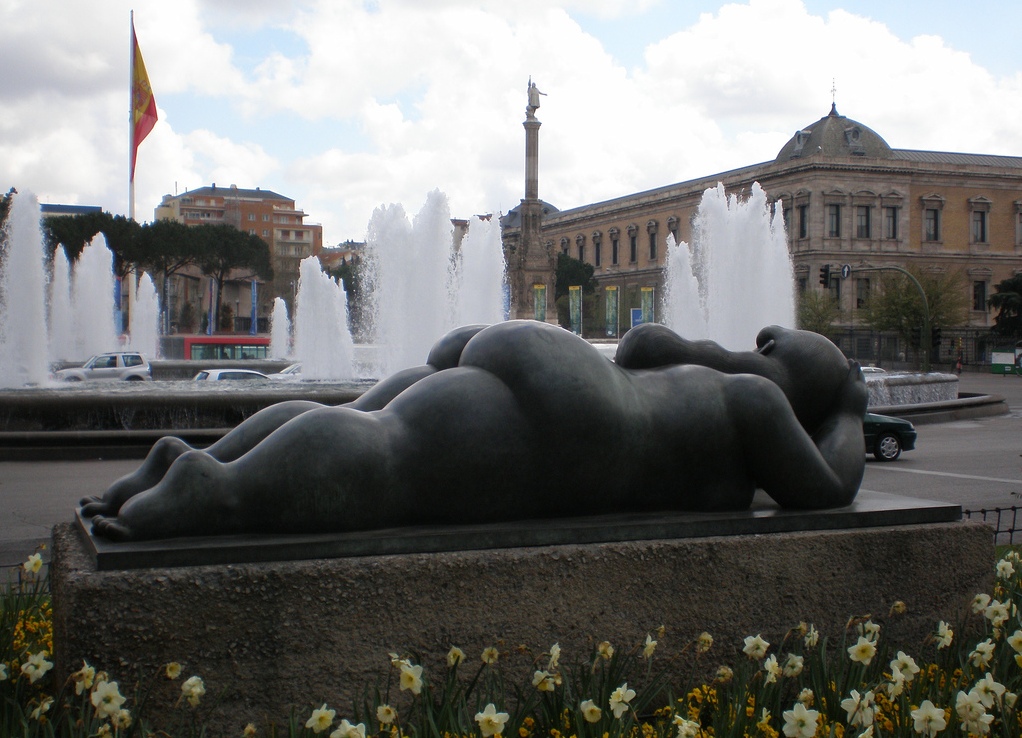
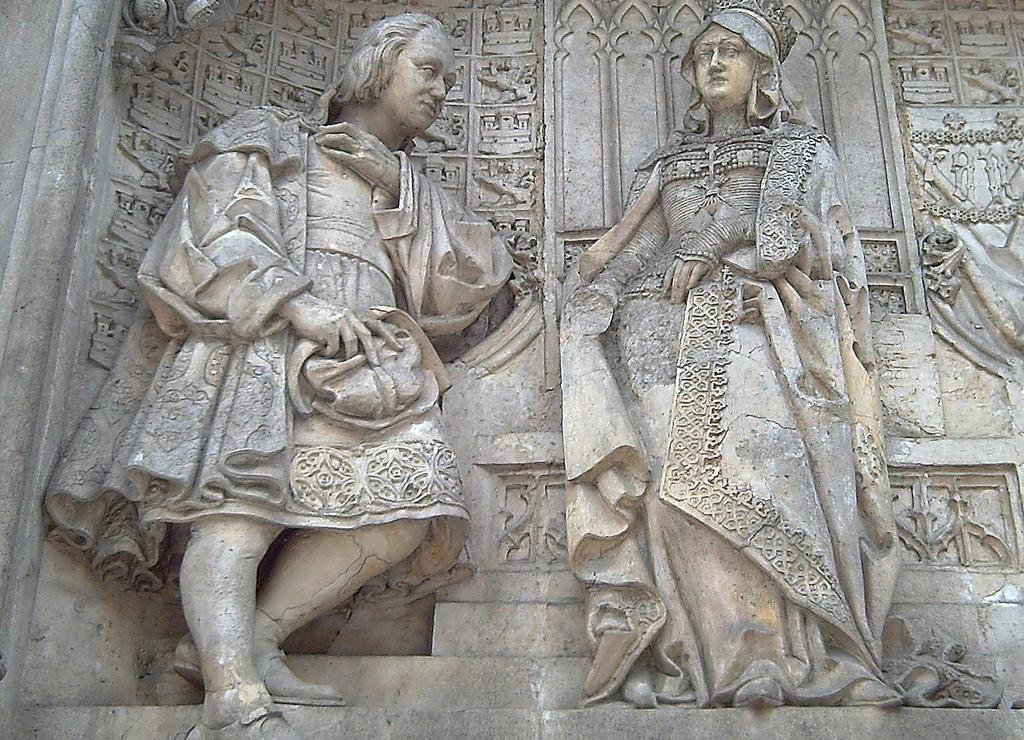
The Columbus monument was created in the Neo-Gothic style and was inaugurated in 1892 - at the same time, when the square received the name of a great navigator. The monument is a tall column. At the very top is a statue of a great traveler - the work of sculptor Geronimo Sunola. Columbus points with one hand to the west, and in the other holds a Spanish flag. The statue is made of white marble, its height is 3 meters. The 17-meter white marble pedestal was designed by Arturo Melida. Based on the pedestal, various important events from the life of Columbus are depicted. At the foot of the monument is a cascade fountain.
The monument several times "moved" in connection with the repair, conducted in different parts of the square and the nearby streets, but the limits of the area never left.
Descumbrimiento Gardens and another monument to the seafarer
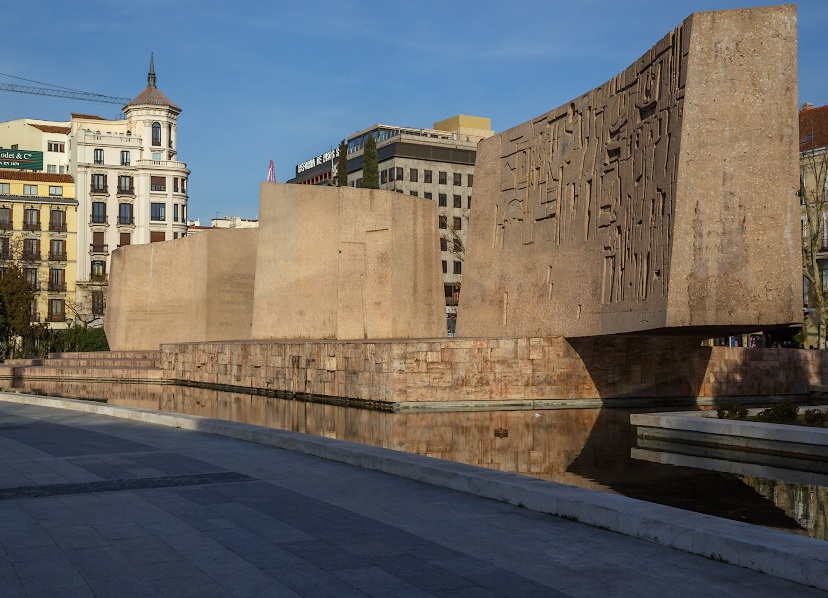
The gardens of Descumbriimento, or the Discoverers Gardens, are also located directly on the square. In the garden grow olives, pines, spruce, a lot of flowering plants; here you can perfectly relax in the shade of trees and simultaneously admire another monument erected in honor of Cristobal Colon (this is how the name of the famous navigator sounds in Spanish). The monument consists of several concrete blocks, which contain citations of various famous personalities (geographers, historians, philosophers, writers) associated with the discovery of America. The author of the project is the sculptor Joaquin Bakero Turcios.
Columbus Towers
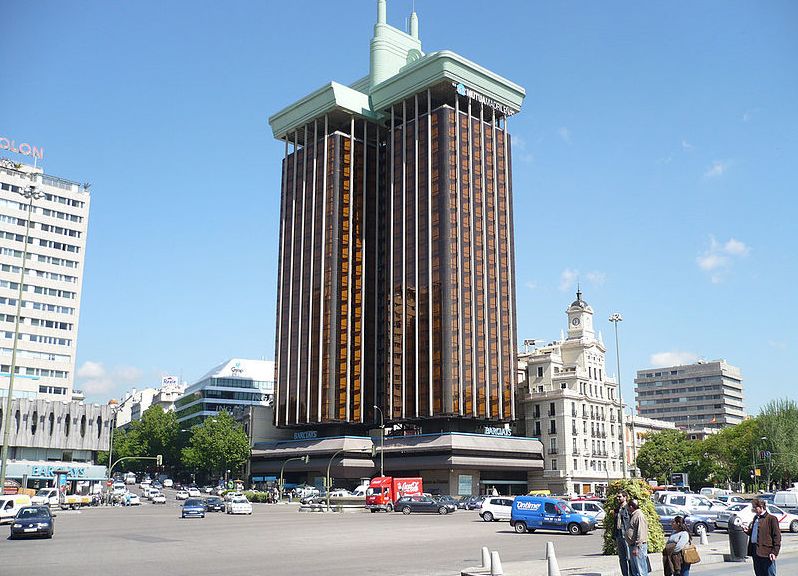
The towers of Columbus are two twin skyscrapers, united by a common platform, which determine the architectural appearance of the square as a whole. They were designed by Antonio Lamela on the technology of "suspended architecture": first the central axis of each of the buildings was built, then the inter-floor overlapping was attached to it, from top to bottom (at the time of skyscrapers construction, such technology was very little used).
By the way, according to users of virtualturizm.com, this symbol of the business part of Madrid is among the most ugly buildings in the world (it occupies the 6th place). Local residents are not so critical of the structure, but the "affectionate" nickname for skyscrapers is also not too romantic - the "electric fork" (however, the buildings united by a common top, and in fact look like it). Next to the towers is a bank in which there is a museum of wax figures . And the entrance to the skyscrapers "protects" one of the five works of Fernando Botero - a sculpture "Woman with a Mirror."
Cultural Center of Madrid
The square can rightly be called the cultural center of the Spanish capital, where various festive events, parades, concerts, processions, including festive events dedicated to the Day of the Spanish Nation are held (this holiday is dedicated to the discovery by Christopher Columbus of America - and as a result, the development of the whole community countries where they speak Spanish). In the days of important sporting events on Columbus Square huge screens are installed, according to which thousands of Madrid watch the broadcast of games.
In addition, under the square is the complex of the Cultural Center of Madrid, which includes concert, theatrical and exhibition halls. The cultural center is engaged in the popularization of symphonic music, as well as theatrical plays of the classical repertoire. There are a variety of lectures - including classical painting, history of Madrid, literature, as well as a variety of theater performances for children.
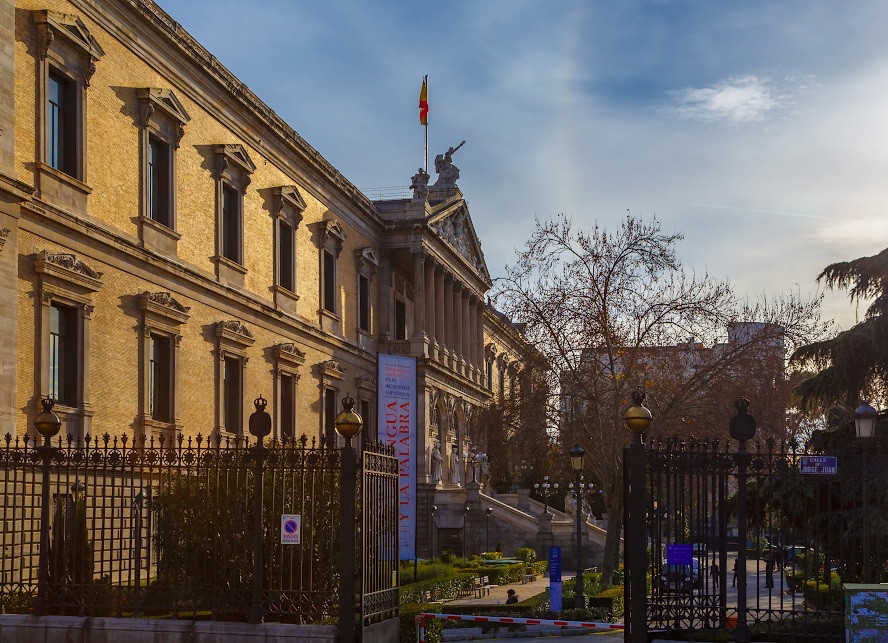
And right next door, on Serrano Street, is the Palace of Museums and Libraries, which houses the National Archaeological Museum, the National Library, and until 1971 the Museum of Contemporary Art was also located. One side of the Palace faces the south side of the square.
How to get to the square?
Columbus Square can be reached by metro line M4 (Colon station).
| | | |
| | | |