Techno style in the interior appeared during the rapid development of information technology - in the 80 years of the XX century, and since then has not lost its relevance, often "settling" in the interiors of modern dwellings.
Techno in the interior
Ultra-modern techno-style is unlikely to find a response in the souls of lovers of home comfort. Forever young and developing, he is more likely the inhabitant of a youthful spacious studio apartment, the home of a busy person, which at first glance is similar to a production room, but this is the aesthetics of techno.
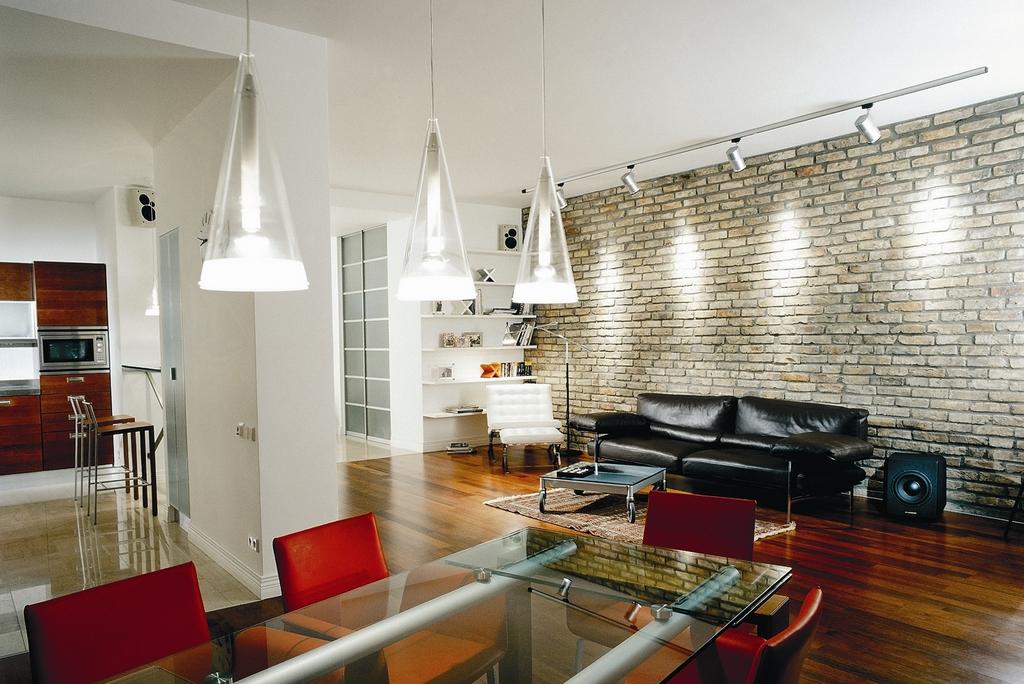
The first thing that characterizes techno in the interior is space, it is not cluttered: a minimum of furniture, a maximum of skillfully built-in appliances, here and there bright spots of flower bouquets or modern works of art. The room in the style of techno is usually painted in a white-gray color scheme, rich in details of glass and metal. Furniture is usually straight, "chopped" and rarely contains smooth curves and lines, mostly made of leather, metal or wenge wood. In general, furniture in the techno style deserves a separate chanting, it is so minimalistic as it is beautiful. Usually such furniture is located low enough, sofas and armchairs have wide seats, cabinets resemble metal containers, and chairs - the skillful work of avant-garde artists, seem sometimes in the most unexpected constructive embodiments.
| | | |
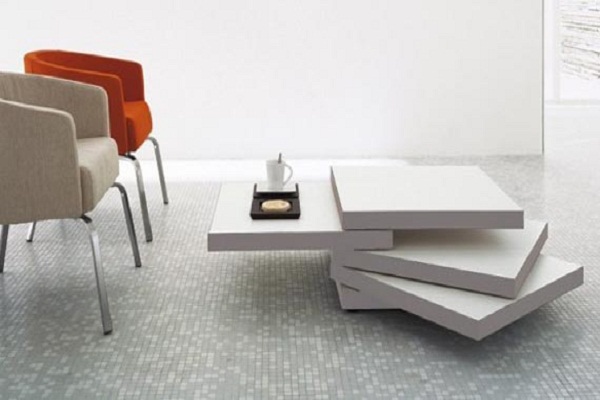
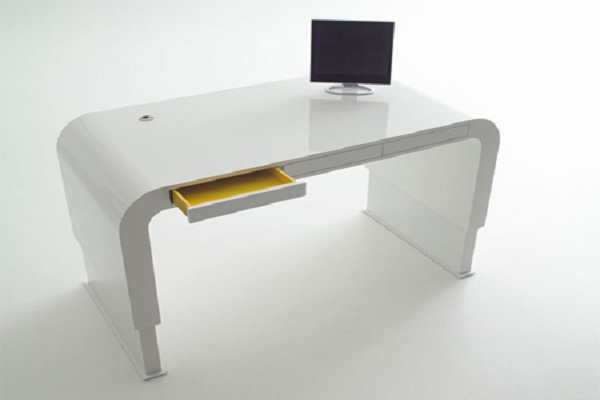
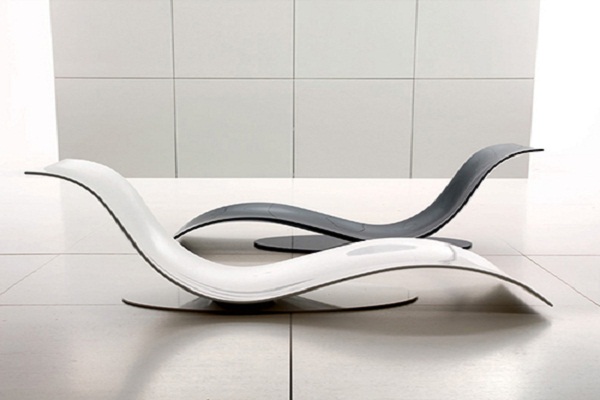
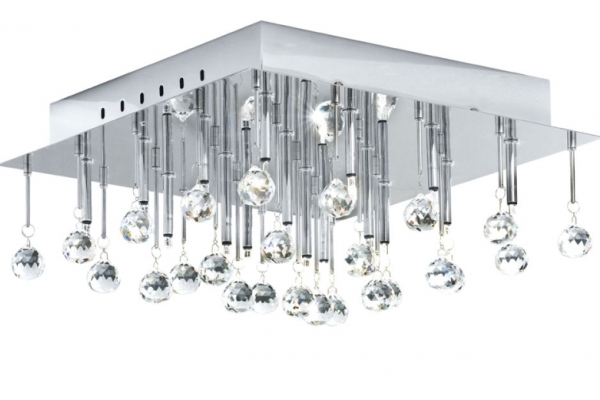
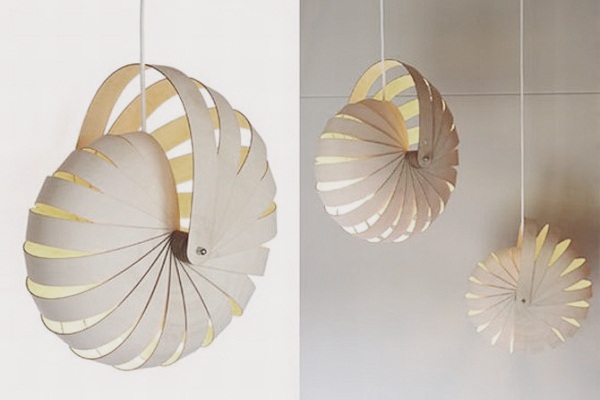
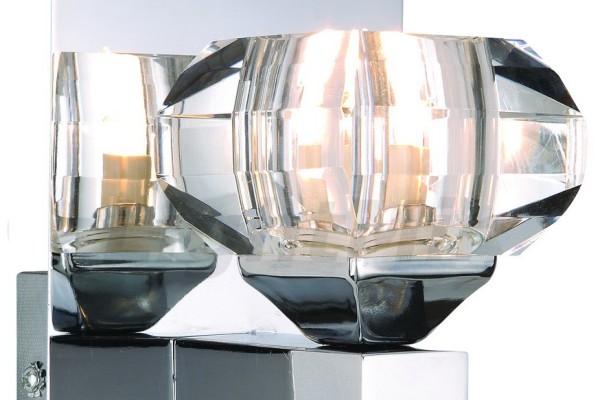
However, the fantasy of designers, fortunately, did not end with the creation of furniture. It is most interesting to observe the details, such as, for example, techno fixtures. Sometimes bizarre, sometimes even frightening forms are more like remnants of space ships, or, at least, of production equipment. In such details, the whole "constructivist explosion" of the techno style is most clearly seen.
| | | |
Kitchen in the style of techno
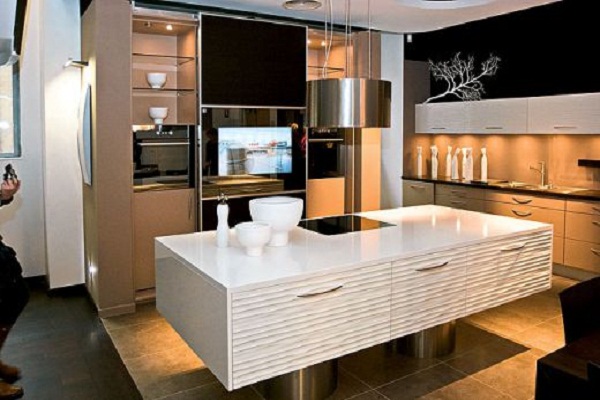
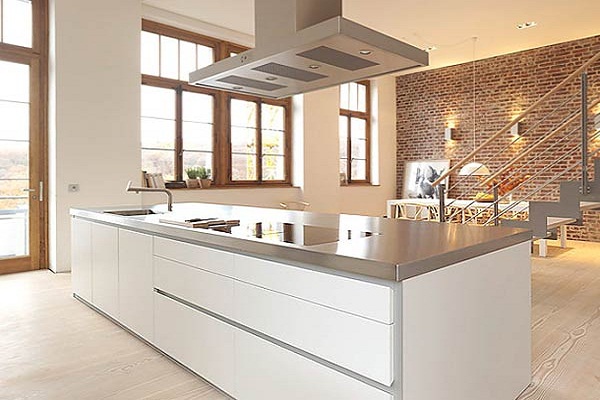
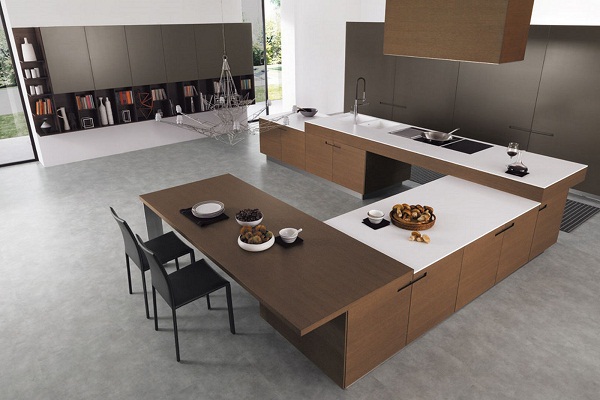
Of all the rooms, it is the kitchen in the style of techno that attracts special attention, since it is the focus of all the newfangled technical devices created by man. In the real techno-kitchen, the technique itself is practically invisible, since it is mostly hidden in the facade of the kitchen furniture, but the order and minimalism of this style are put on display. Kitchen facades are mainly decorated with lacquered panels, or solid sheets of metal. The walls of the kitchen are mostly "bare", not covered with plaster, the brick surface is often covered with white paint, or remains untouched. The usual tiled kitchen apron is often replaced with sheets of glass, or metal, and powerful air conditioners hang over elegant slabs.
| | | |